Key learnings
Using AWS IoT Core and IoT Events for device management and communication
Implementing custom AWS Detector Models and Lambda functions for event processing
Built up infrastructure as code with Terraform for scalable, secure deployment, collaborating on shared infrastructure across a complex cloud environment
Description
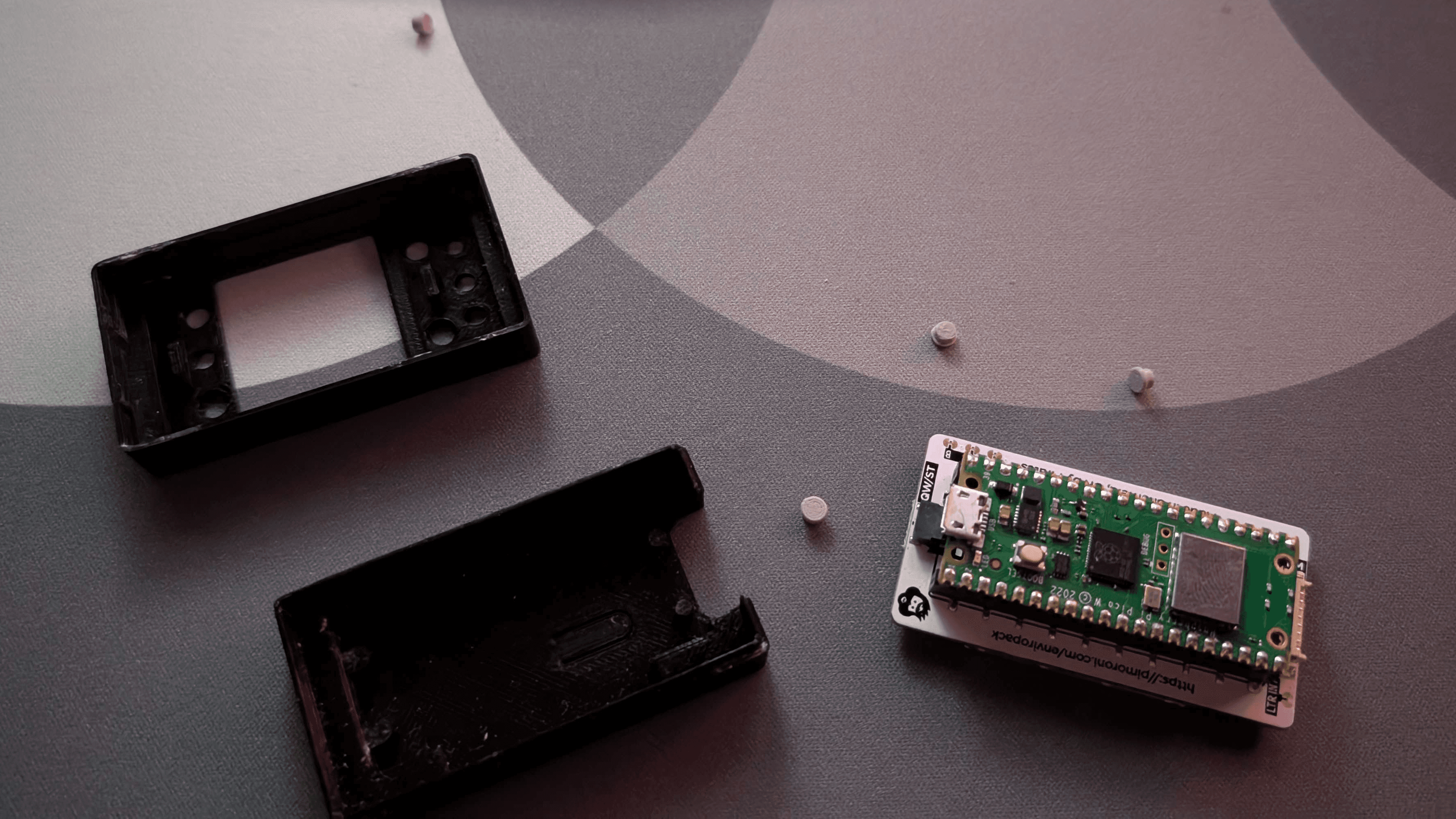
SmartRack is an IoT warehouse monitoring system providing real-time insights into compartment occupancy and temperature. Raspberry Pi Pico devices publish sensor data via MQTT to an event-driven AWS backend built on IoT Core, IoT Events, Lambda and DynamoDB. This serverless architecture processes data, manages state, and triggers alerts to ensure product integrity. The entire infrastructure is managed via Terraform for reproducible, version-controlled deployments, and the system includes a custom CLI for streamlining the device setup and configuration process.
Reflection
SmartRack was my first hands-on experience connecting IoT edge hardware to AWS cloud infrastructure.
Setting up MQTT telemetry from the Raspberry Pi Pico to AWS IoT Core required handling network connection drops and JSON payload formatting. On the cloud side, defining AWS IoT Events detector models and Lambda functions taught me how event-driven serverless architectures process state transitions.
Using Terraform to codify the AWS resources was another key learning milestone, allowing us to deploy and tear down environment stacks reproducibly without manual console configuration.